Warehouse operations
For managers investigating vehicle activity, stops and zone usage in the context of daily work.
Movements, stops, impacts and time spent in zones provide signals about warehouse operations. Forklift Monitor organises them into reports that reveal recurring phenomena. We are developing their interpretation in the context of tasks and work organisation.
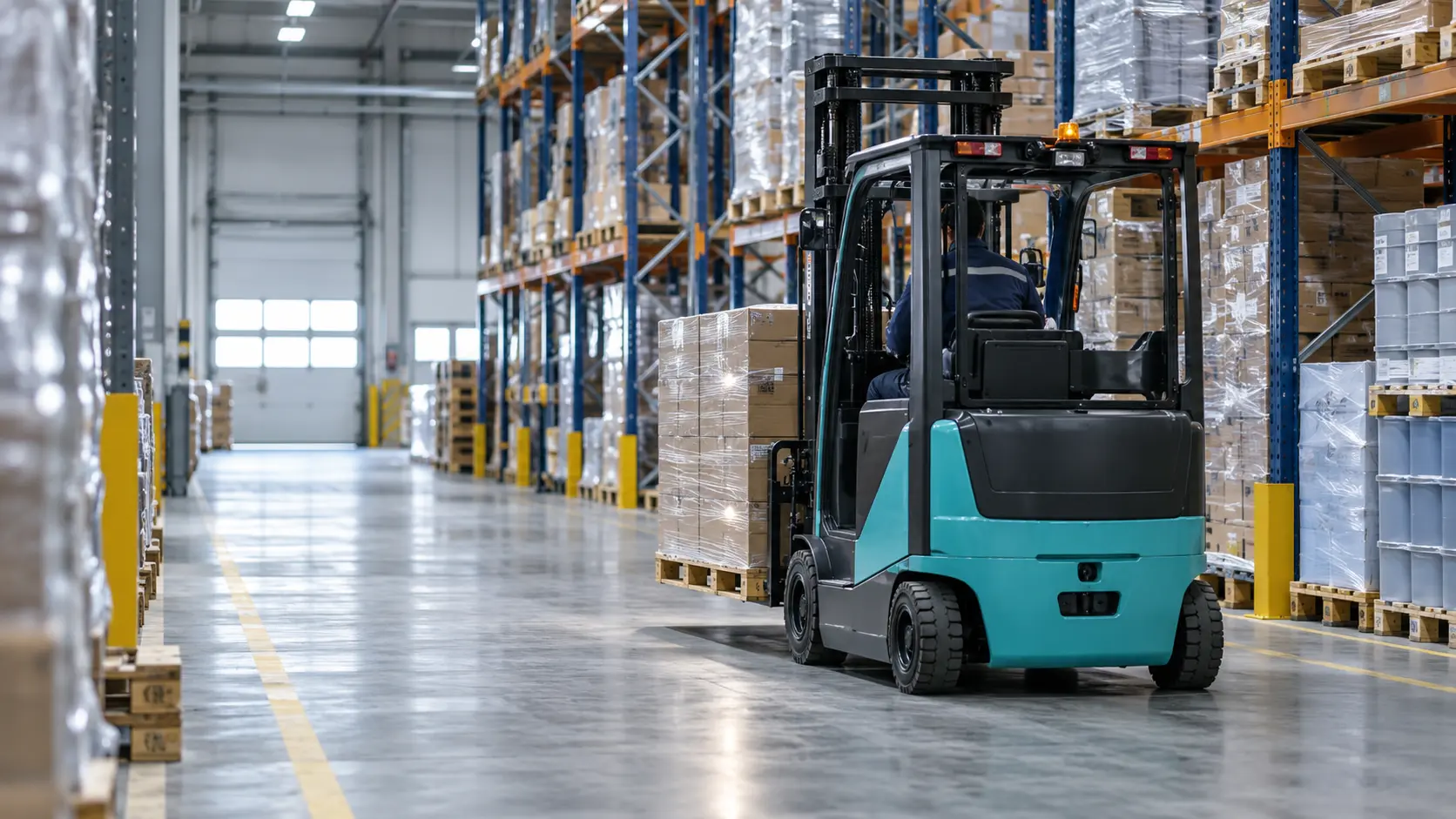
For managers investigating vehicle activity, stops and zone usage in the context of daily work.
For teams reviewing events and places that need investigation. Findings depend on working conditions and deployment configuration.
For people responsible for vehicle utilisation. Reports help frame questions about work organisation and fleet requirements.
The actual Forklift Monitor interface presents reports and AI summaries using demonstration data. These observations are the starting point for analysing how work unfolds.
Process analysis · illustration of our reasoning approach
A stop becomes meaningful in the context of location, time and a vehicle’s role. Task data, when available, can deepen the analysis.
We compare recorded events with observations of work and team knowledge. WMS data, where available, can help relate observations to specific tasks.
Establishing the cause helps decide whether to change the way work is organised or invest in an additional forklift.
After the change, we compare similar tasks under comparable conditions.
Available reports make recurring patterns of activity and events visible. We are developing their interpretation using process context and operational expertise.
Activity, events, impacts and time in zones provide the observations. Data availability depends on the deployment configuration and forms the basis for further analysis.
The dashboard includes AI summaries. The system's analytics calculate the indicators; the model helps interpret the prepared results.
We are developing interpretation of work patterns using process descriptions, vehicle roles and the functions of locations. Hypotheses require operational verification.
Vehicle records and history provide the basis for a service request and repair workflow in development. The next scope includes assessing service quality and fleet availability.
A task, location or recurring phenomenon that needs explaining.
Vehicle roles, the handling of locations and the expected task sequence.
Identify patterns and deviations within the agreed pilot scope.
Test the hypothesis with the team and agree how to assess the change.
Describe the part of your operation that needs explaining. We can review available data sources and a possible pilot scope.