TransitHub · public transport

One integrated view of transport services.
A clearer picture of connection availability.

A stop is an access point to the transport network, not just one operator’s timetable. TransitHub brings available timetables together as consistent passenger information online and via QR codes. On this foundation, we are developing an assessment of scheduled services: directions, frequency and gaps by place and time.

A shared data layer.Bus and rail connections, accounting for different access points.
Stop connecting urban bus services with rail
Place · direction · time of dayA shared view of the scheduled offer.
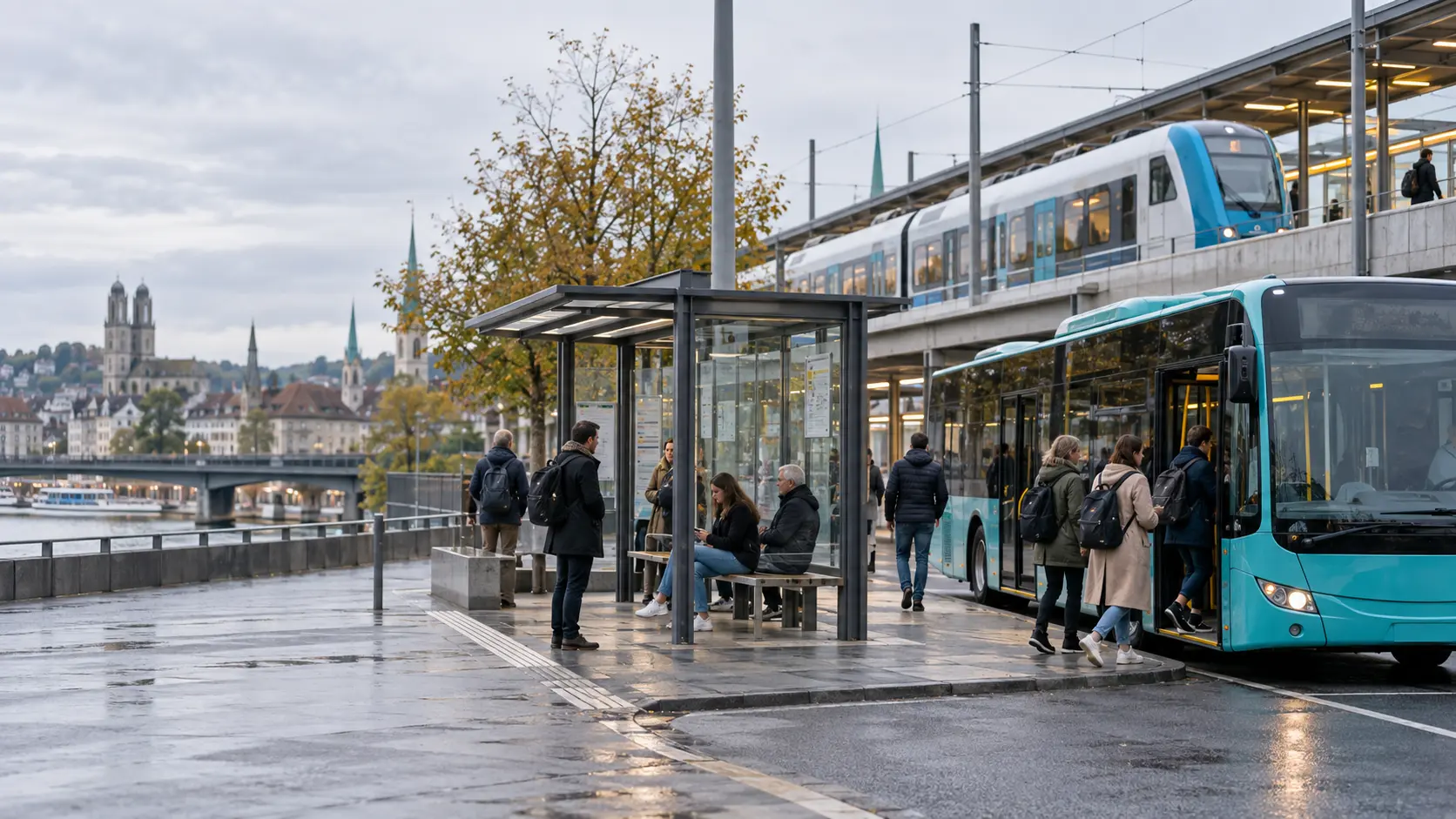
Illustrative scene
For municipalities and transport authorities

Information for passengers. Insight for authorities.

The same data answers two questions: what connections can residents use, and how well are scheduled services distributed across places and times? Broader transport accessibility also depends on journey times and transfers.

Available today · passenger information
01Municipalities and cities

Information about the local offer in one place.

Bring multiple operators' timetables into a view passengers can use at a stop or online.

  • Bus and rail services from available sources.
  • Information linked to a specific stop.
  • Access through a browser or QR code.
Starting point: a list of stops, operators and available timetables.
Discuss information for residents
In development and validation
02Transport authorities

Assessing the offer from a stop.

Our developing analysis looks beyond departure counts to directions, times of day and gaps in scheduled services, identifying stops worth further examination.

  • Available directions and service frequency.
  • The offer at different times of day.
  • Gaps in scheduled services that need verification.
We agree the analytical scope using local data.
Discuss a pilot analysis of the offer
TransitHub · Tymbark

Integrated passenger information in a real setting.

Original application view in Tymbark.
Tymbark

Multiple operators' services at one stop.

Passengers select a stop and see upcoming departures with route, direction and operator information. The screen brings the offer into one place, regardless of who operates the service.

Stop selection

Information linked to the place where the passenger wants to start a journey.

Route, direction and operator

A consistent presentation for different sources of services.

Times and upcoming departures

Passenger information available in a browser.

The next layer: analysing the offer. We are developing assessment of scheduled connection availability from the perspective of stops. Methodology and results require validation using local data. QR and web visits are a separate signal of interest in passenger information.
The passenger's perspective

A stop as the gateway to the network.

For passengers, the question is where and when they can travel. Integrated timetables show the scheduled offer across operators.

Alongside existing systems. TransitHub can complement journey planners and passenger information systems with a shared picture of services and analysis of scheduled connection availability in development.

Analysis model · illustrative departures

Scheduled services

Many departures.
But at the times people need?

The number of services does not describe their distribution over time. Comparing departures can reveal clusters and gaps worth investigating.

Part of the day · same direction · illustrative times for this example
Clustered departures
06:10–06:30
Gap in the offer shown
06:30–09:00
What should we investigate?

Do departure times match passenger needs?

This view helps the transport authority identify where to investigate changes to departure times or additional services.

A decision requires an understanding of passenger needs and operators' capabilities. A timetable shows scheduled services; it does not confirm that they actually ran.
Passenger information deployment

From available timetables to a view for residents.

01 / SCOPE

Stops and operators

We establish the list of locations and sources of local transport services.

02 / DATA

Timetables and updates

We check the available data and agree how it will be updated.

03 / ACCESS

Passenger view

We provide web access and, within the agreed scope, QR signage.

04 / MAINTENANCE

Acceptance and ongoing support

We verify the views and agree maintenance responsibilities and scope.

Contact

Let’s discuss transport accessibility.

Tell us about the area, operators and available data sources. We can decide whether passenger information or a pilot assessment of scheduled services should come first.

Cookie settings

Necessary: Website functionality and saved language and theme preferences.

Your consent, language and theme choices are saved in your browser for 180 days. You can change your choice at any time. “Delete saved preferences” withdraws consent and removes your saved language and theme. We do not request consent for advertising cookies.

Cookie policy